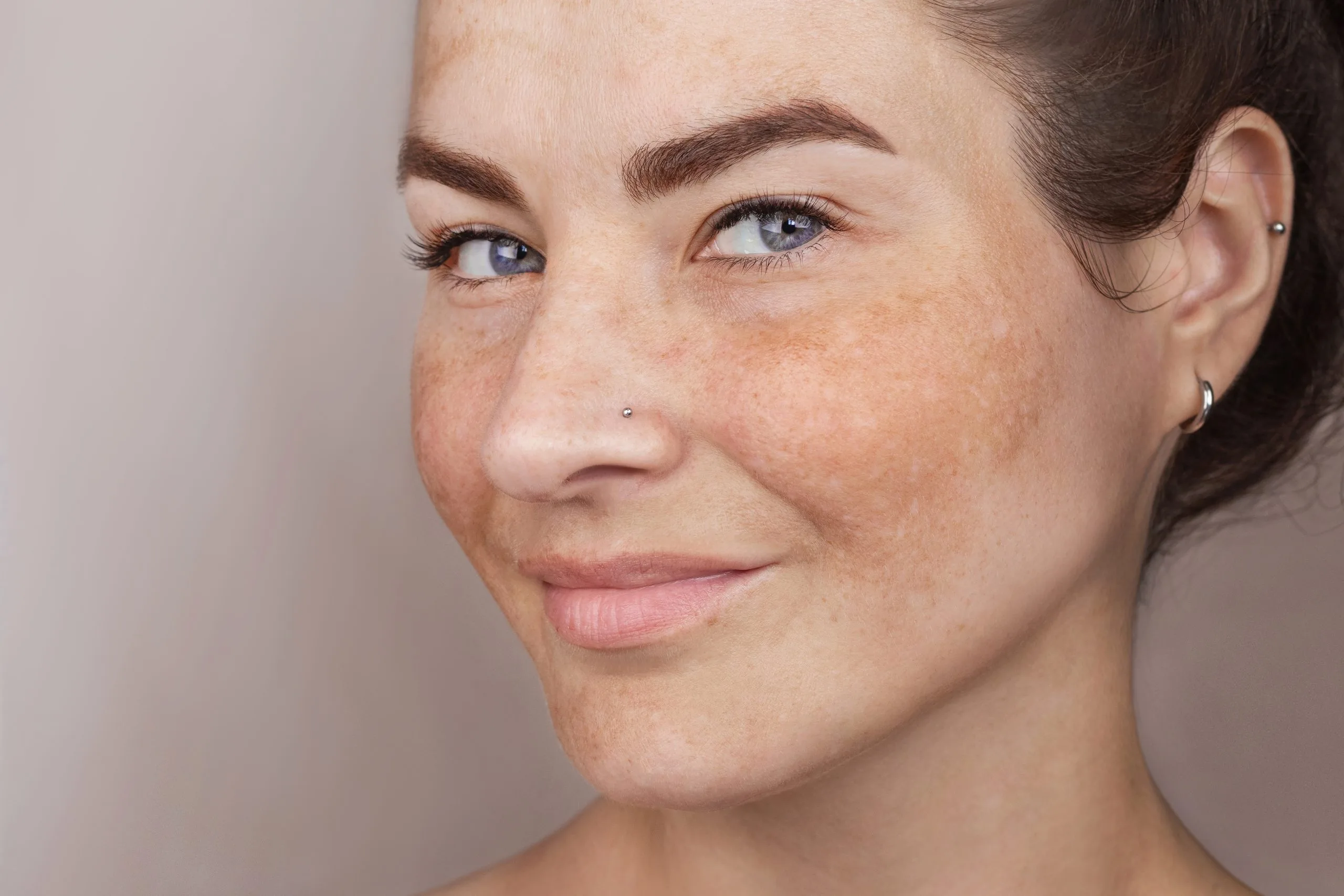
Getting rid of melasma requires a comprehensive, long-term approach that combines diligent sun protection, a targeted skincare routine, and professional treatments tailored to your skin’s needs. While there is no one-size-fits-all cure, significant improvement and effective management are achievable with the right strategy. Understanding your options is the first step toward clearer and more even-toned skin.
Before exploring treatments, it’s important to understand what melasma is, what causes it, and who it typically affects.
Melasma is a common skin condition characterized by brown or grayish-brown patches of pigmentation, usually appearing symmetrically on the cheeks, forehead, bridge of the nose, upper lip, and chin. Less commonly, it can appear on other sun-exposed areas, such as the neck and forearms. While medically harmless, melasma can cause emotional distress due to its visible nature.
Melasma occurs when melanocytes – the skin’s pigment-producing cells – overproduce melanin in certain areas. Key triggers include:
Sun Exposure: Ultraviolet (UV) light is the most significant trigger, making sun protection essential.
Hormonal Changes: Fluctuations in estrogen and progesterone, such as during pregnancy or with hormonal birth control, are major contributors.
Heat: High temperatures and infrared radiation can worsen melasma.
Visible Light: Blue light from screens can contribute, especially in darker skin tones.
Melasma is more common in women, particularly those with medium to darker skin tones (Fitzpatrick skin types III-VI), and typically appears between ages 20 and 40.
A correct diagnosis is essential before starting treatment, as other forms of hyperpigmentation may require different approaches.
Melasma is usually diagnosed through a visual examination by a qualified dermatology provider. Sometimes, a Wood’s lamp (ultraviolet light) is used to determine the depth of pigmentation, which can influence treatment choices.
When considering how to get rid of melasma, it’s important to focus on management rather than a one-time cure. The most effective strategy is a personalized, multi-pronged approach tailored to your skin type, the depth of your melasma, your lifestyle, and your treatment goals.
Yes, melasma can be significantly lightened and managed, but it often requires ongoing maintenance due to its tendency to recur, especially with sun exposure or hormonal changes.
Every effective melasma treatment plan begins and ends with rigorous sun protection.
UV radiation is the primary driver of melanin production. Sunscreen prevents existing patches from darkening and is the most important tool for preventing new patches. This commitment is necessary year-round, regardless of weather or season.
For optimal protection, look for:
Broad Spectrum: Shields against UVA and UVB rays.
SPF 30 or Higher: SPF 50+ is ideal for daily use.
Physical/Mineral Blockers: Ingredients like zinc oxide and titanium dioxide create a physical barrier.
Tinted with Iron Oxides: Protects against visible light, including blue light from devices.
Apply sunscreen generously 15-20 minutes before sun exposure and reapply every two hours, or more often if sweating or swimming.
Topical treatments are often the first line of defense, working to inhibit melanin production, increase cell turnover, and lighten existing pigment.
Hydroquinone inhibits tyrosinase, a key enzyme in melanin production, and is considered a gold standard for melasma treatment. It should be used under professional supervision and for limited periods.
Tretinoin increases skin cell turnover, while mild topical steroids may reduce inflammation and irritation.
Azelaic acid is an effective tyrosinase inhibitor. It is safe for use during pregnancy and breastfeeding.
Kojic acid suppresses melanin production and is often combined with other brightening agents.
A derivative of hydroquinone, mequinol also inhibits pigment formation.
A gentler, plant-derived alternative to hydroquinone, arbutin helps brighten the skin.
Tranexamic acid can be used topically, orally, or injected, interfering with pigment production pathways.
Vitamin C is a potent antioxidant that helps protect skin from UV damage and gradually lightens pigmentation.
As an alpha-hydroxy acid (AHA), glycolic acid exfoliates pigmented cells and improves penetration of other actives.
Both over-the-counter and prescription retinoids accelerate cell turnover to fade dark spots.
Often, the most effective approach involves a compounded cream containing several active ingredients. A classic formulation combines hydroquinone, a retinoid, and a mild steroid, tailored to your skin’s needs.
For stubborn or deeper melasma, or to accelerate topical results, in-office procedures can be valuable.
Superficial chemical peels with glycolic acid, salicylic acid, or Jessner’s solution speed up exfoliation and lift surface pigment. A series of peels is usually required.
Laser treatments must be used with caution, as some can worsen melasma. Certain devices, when used by a skilled provider, can be effective.
IPL (Intense Pulsed Light): Targets superficial pigmentation but must be used on low settings.
Some fractional lasers can improve skin texture and tone and help break up pigment.
Choosing the right device and settings is crucial and should only be done by a trained professional.
Microneedling: Creates microscopic channels to enhance the penetration of topical agents.
Glo2Facial, Dermaplaning, and Facials: These treatments can complement a melasma regimen by exfoliating dead skin cells, oxygenating and nourishing the skin, and improving overall skin health and radiance.
A daily skincare routine supports professional treatments and helps maintain results.
Use serums containing ingredients such as Vitamin C, niacinamide, azelaic acid, or tranexamic acid to complement prescription treatments.
Avoid harsh scrubs; opt for gentle chemical exfoliants with AHAs or PHAs a few times a week.
Maintain your skin’s moisture barrier with moisturizers containing ceramides, hyaluronic acid, and glycerin.
Daily habits play a significant role in managing melasma.
Practice sun-avoidant behaviors: wear wide-brimmed hats, UV-protective sunglasses, seek shade, and avoid peak sun hours. Be mindful of heat sources like saunas and heaters.
Avoid products that irritate your skin. Use non-comedogenic makeup and remove it gently at the end of the day.
If hormonal birth control is contributing to melasma, discuss alternatives with your gynecologist. During pregnancy, focus on pregnancy-safe treatments and sun protection.
Consistency with your treatment and sun protection regimen is key to long-term success.
Once melasma improves, shift to maintenance with gentler products, such as over-the-counter retinoids, vitamin C, and azelaic acid. Ongoing sun protection remains essential, as lapses can cause recurrence.
During pregnancy, focus on:
Diligent sun protection
Pregnancy-safe topicals: Such as azelaic acid, glycolic acid, and vitamin C
Professional guidance: Work with a dermatologist for safe, effective strategies
See a dermatologist at the first signs of melasma. Self-diagnosis and use of over-the-counter products can be ineffective or worsen pigmentation. Instead of searching endlessly online for how to get rid of melasma, seek a professional evaluation for an accurate diagnosis and a personalized treatment plan.
Melasma is a complex and chronic pigmentary condition, but it is manageable. Success depends on a multi-faceted approach: unwavering sun and heat protection, a consistent skincare routine with targeted ingredients, and professional guidance. With the right plan, clearer skin is within reach.

About the Author
Dr. Mahsa Karavan