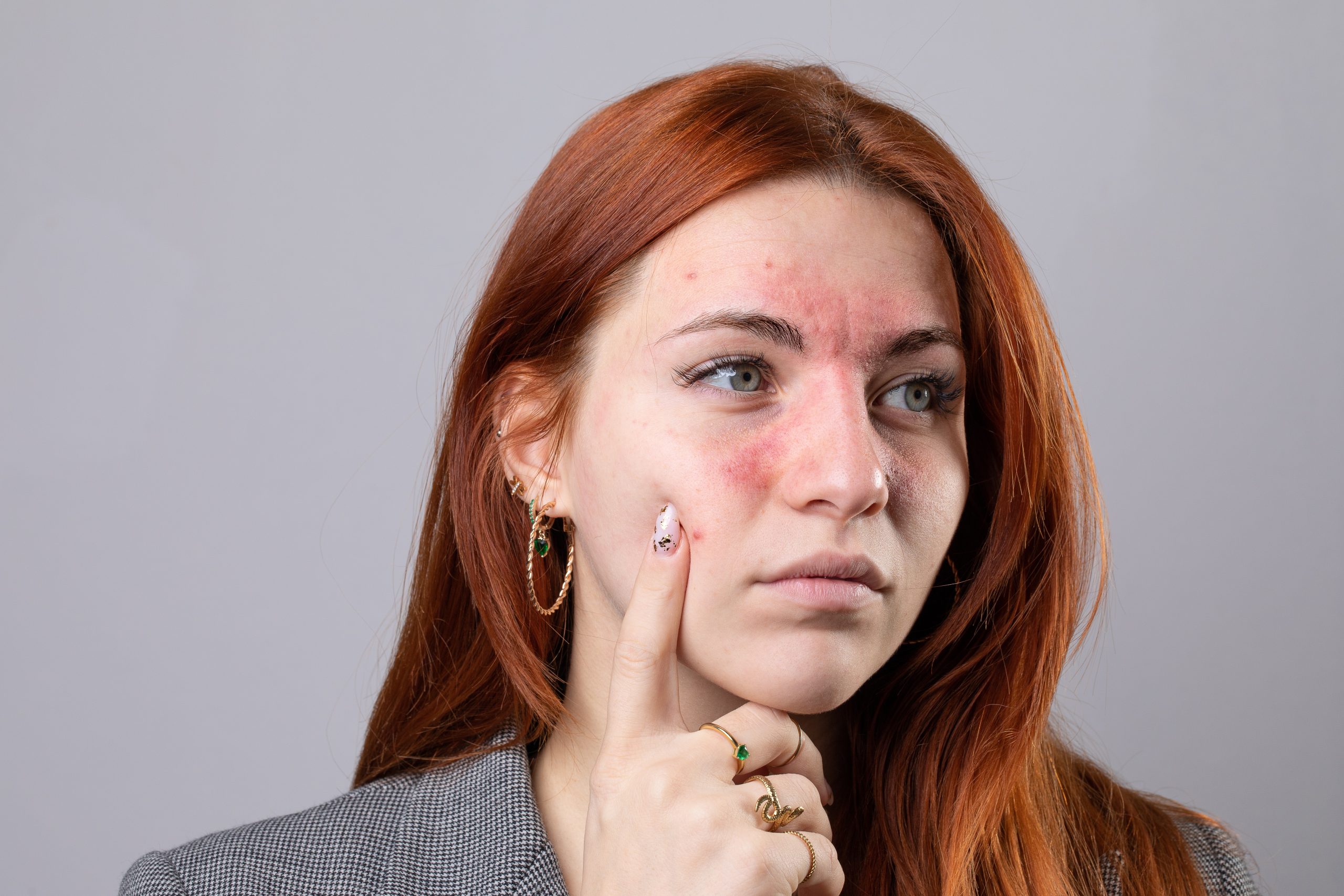
Managing rosacea flare-ups effectively means identifying and avoiding your unique triggers while following a personalized treatment plan. It is crucial to understand your specific triggers and make targeted lifestyle and skincare adjustments to control this chronic skin condition.
Rosacea affects millions of Americans, causing facial redness, visible blood vessels, and sometimes small, red bumps that resemble acne. For many living with rosacea in Celina, TX, and the surrounding areas, the condition isn’t constant; it comes and goes in cycles of calm and activity.
A rosacea flare-up is a temporary episode where your symptoms suddenly worsen. During a flare-up, you might experience:
Dramatic increase in facial redness
Burning or stinging sensations
More pronounced bumps and pimples (papules and pustules)
Increased skin sensitivity
More visible blood vessels
These flare-ups can last from a few hours to several weeks, depending on the trigger and how quickly you respond. The facial areas most commonly affected include the cheeks, nose, chin, and forehead. Some people also experience symptoms on their neck, chest, scalp, or ears.
The underlying cause involves inflammation and hyper-responsive blood vessels in the skin. During a flare-up, these blood vessels dilate too easily, rushing blood to the surface and causing the characteristic flushing and redness.
Keeping a simple journal can be incredibly effective for pinpointing what causes your rosacea to flare. Note what you ate, what you were doing, the weather, and what products you used on your skin each day to identify patterns.
Ultraviolet radiation ranks as the number one trigger for rosacea flare-ups. The sun’s UV rays can trigger an inflammatory response and damage blood vessels, making them more visible. Even brief sun exposure can cause immediate flushing and long-term damage to sensitive facial blood vessels.
Emotional stress directly impacts your body’s inflammatory response. When stressed, your body releases hormones like cortisol, which increase inflammation throughout your body, including your skin. This leads to dilated blood vessels and significant rosacea flares.
Anything that raises your body temperature can cause blood vessels in your face to expand. This includes:
Hot weather and heated indoor environments
Saunas and hot tubs
Sitting too close to a fireplace
Hot showers or baths
Standing near a stove while cooking
Intense exercise
It’s often the heat from beverages like coffee and tea, not necessarily the caffeine, that triggers flare-ups. Steam and high temperature can cause facial flushing and directly heat the skin.
Certain types of alcohol are well-known rosacea triggers. Red wine is a frequent offender, but wine, beer, and hard liquor all cause blood vessel dilation and facial flushing. Alcohol also dehydrates your skin, weakening its natural barrier function and making it more susceptible to other triggers.
Foods containing capsaicin trigger nerve receptors that cause blood vessel dilation. Common culprits include:
Hot peppers and chili
Curry
Hot sauce
Dishes containing black or white pepper
These foods raise your body temperature and stimulate facial flushing.
Many common ingredients irritate rosacea-prone skin:
Alcohol
Witch hazel
Fragrance
Menthol
Peppermint
Eucalyptus oil
Clove oil
Harsh scrubs
Chemical exfoliants (like high-concentration glycolic acid)
Even products labeled “natural” or “organic” may contain botanical extracts that irritate sensitive skin.
Some medications can trigger flushing as a side effect:
Blood pressure medications (vasodilators)
Topical steroids (can cause rebound redness with long-term use)
Some cholesterol-lowering drugs and supplements, like niacin
Certain acne treatments
Cold weather and wind strip moisture from your skin and damage its protective barrier. The combination of cold outdoor air and heated indoor environments creates extreme temperature changes that stress rosacea-prone skin. Wind also carries irritants and allergens that can trigger inflammatory responses.
Prevention is the cornerstone of effective rosacea management. By making thoughtful lifestyle and skincare choices, you can significantly reduce the frequency and severity of your flare-ups.
Apply broad-spectrum sunscreen with SPF 30 or higher every single day, regardless of the weather. Mineral-based sunscreens containing zinc oxide and/or titanium dioxide are often better tolerated by sensitive skin than chemical sunscreens. Remember to:
Reapply every two hours when outdoors
Wear wide-brimmed hats
Seek shade during peak sun hours (10 AM – 4 PM)
Incorporate stress-reducing activities into your daily routine:
10-minute meditation sessions
Gentle yoga
Deep breathing exercises
Regular walks
Adequate sleep
Schedule regular downtime
Consider keeping a stress diary alongside your rosacea trigger log to identify patterns.
During hot summers:
Stay in air-conditioned environments during peak heat
Dress in light, breathable layers
Use a facial mist to cool your skin
Take lukewarm showers and baths
Use exhaust fans when cooking
Let your face air-dry or pat gently
You don’t have to give up your favorite drinks. Simply:
Let coffee or tea cool before drinking
Switch to iced versions
Sip through a straw positioned toward the back of your mouth
Try cooling herbal teas like chamomile, served at room temperature
Keep a diary to identify which types trigger flare-ups most. Some find white wine or clear spirits less problematic than red wine or dark liquors. Always:
Drink water between alcoholic beverages
Stay hydrated
Consider alcohol-free alternatives during flare-up periods
If spicy food triggers your rosacea:
Explore flavorful but non-spicy seasonings (basil, oregano, thyme, cumin, coriander)
Ask for sauces and spices on the side
Request mild preparation when dining out
Keep a food diary to identify specific triggers
Select products that are:
Fragrance-free
Alcohol-free
Labeled “for sensitive skin”
Hypoallergenic
Use creamy, non-foaming cleansers and look for moisturizers with ceramides, glycerin, and hyaluronic acid. Test new products on a small area first.
Choose makeup products that are:
Non-comedogenic
Fragrance-free
Mineral-based (powders and foundations)
Green-tinted primers effectively neutralize redness. Always remove makeup gently and thoroughly before bed.
If you suspect a medication is causing flare-ups, don’t stop taking it. Schedule a consultation with Dr. Mahsa Karavan at Everoak Dermatology. Dr. Karavan can work with your other doctors to review medications and determine rosacea-friendly alternatives.
During harsh weather:
Wrap a soft scarf (silk or cotton) around your lower face
Apply barrier-repairing moisturizer or balm before going outside
Use a humidifier indoors during winter
Transition gradually between temperature extremes
Don’t avoid exercise – just modify your approach:
Work out in air-conditioned environments
Exercise during cooler parts of the day
Keep cool, damp towels handy
Have iced water available
Choose low-intensity exercises like walking or swimming
Take frequent cooling breaks
Even with prevention strategies, flare-ups can still happen. Knowing what to do in the moment helps shorten duration and reduce discomfort.
When you feel a flare-up beginning:
Cool It Down: Apply cool compresses for 10-15 minute intervals. Sip ice water. Never apply ice directly to the skin.
Simplify Your Routine: Use only a gentle cleanser and a simple moisturizer. Avoid all active ingredients, exfoliants, and treatments.
Go Makeup-Free: Allow your skin to breathe. Skip makeup until the flare completely subsides.
Additional calming steps:
Move to a cool, calm environment
Practice deep breathing
Avoid touching or rubbing your face
Use a fan for gentle air circulation
Rest with your head slightly elevated
Contact a dermatologist if:
Flare-ups become more frequent or severe
Skin is persistently painful
At-home measures aren’t providing relief
You experience eye symptoms (grittiness, redness, vision changes)
You develop new symptoms like skin thickening or persistent swelling
While there’s no cure for rosacea, highly effective management strategies can keep symptoms in remission. A comprehensive approach developed in collaboration with dermatology experts provides the most effective long-term control.
At Everoak Dermatology & Aesthetics Center in Celina, TX, your journey begins with a comprehensive consultation with Dr. Mahsa Karavan. She will assess your skin, discuss your history and triggers, and develop a multi-faceted plan tailored specifically to you.
Your personalized treatment plan may include:
Prescription Topicals: Medicated creams containing metronidazole, azelaic acid, or ivermectin to reduce inflammation
Oral Medications: Antibiotics or anti-inflammatory medications for moderate to severe cases
Intense Pulsed Light (IPL): Targets red hemoglobin in unwanted vessels, dramatically reducing background redness and visible blood vessels
Professional Skincare Regimen: Medical-grade products to strengthen your skin’s barrier
Consistency remains crucial for success. Stick to your routine even when your skin looks clear. Continue avoiding triggers and protecting from sun damage year-round. Regular follow-ups help adjust your treatment plan as needed.
Learning how to manage rosacea flare-ups empowers you to take control of this chronic condition. By identifying your personal triggers, embracing preventive measures, such as sun protection and stress management, and knowing how to calm flare-ups when they occur, you can significantly improve your quality of life.

About the Author
Dr. Mahsa Karavan